Unleashing Fury on the Battlefield: 5 Ancient Innovations That Changed the Face of War

The Evolution of Ancient Warfare
A Historical Perspective
Ancient warfare, a cornerstone of human history, has undergone significant transformations over the centuries. From the earliest recorded battles to the sprawling empires of the ancient world, the tactics, technologies, and societal norms that governed warfare have evolved dramatically. This article will delve into the evolution of ancient warfare, examining the key developments, innovations, and shifts in perspective that shaped the course of human conflict.
The Early Ages of Warfare
Warfare in the earliest civilizations was often a brutal and disorganized affair. Early societies relied on simple tactics such as ambushes, raids, and skirmishes to secure resources and defend territory. The advent of organized armies and the development of more sophisticated tactics marked a significant turning point in the evolution of ancient warfare.
The Rise of Empires and the Emergence of Complex Warfare
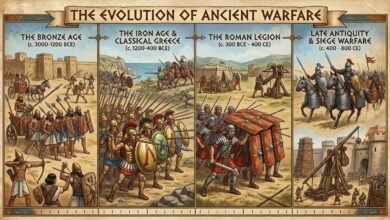
As civilizations grew in size and complexity, so too did the scope and scale of warfare. Empires such as the ancient Egyptians, Mesopotamians, and Greeks developed sophisticated military systems, incorporating advanced technologies, strategies, and logistics. The introduction of cavalry, chariots, and other mobile forces revolutionized the battlefield, allowing for greater mobility and flexibility in combat.
The Impact of Technology on Ancient Warfare
- Advances in Metalworking: The development of bronze and iron tools and armor significantly enhanced the lethality and effectiveness of ancient armies. Metalworking enabled the creation of more durable and versatile equipment, allowing for greater mobility and resilience on the battlefield.
- The Emergence of Siege Engines: The invention of siege engines, such as catapults and battering rams, transformed the art of warfare by allowing armies to breach and capture fortified positions. These innovations enabled the capture of key strongholds and the subjugation of enemy populations.
- The Advent of Naval Warfare: As civilizations developed more advanced maritime technologies, naval warfare became an increasingly important aspect of ancient conflict. The construction of large fleets and the development of naval tactics allowed for the projection of power across the seas and the disruption of enemy supply lines.
The Evolution of Societal Norms and the Treatment of Prisoners of War
As ancient societies grew in complexity, so too did the treatment of prisoners of war. Initially, prisoners were often massacred or enslaved, but as civilizations developed more sophisticated moral codes and social norms, the treatment of captives became more humane. The introduction of treaties, prisoner exchanges, and the recognition of the rights of prisoners of war marked significant advances in the evolution of ancient warfare.
The Role of Women in Ancient Warfare
Women played a significant role in ancient warfare, often serving as healers, spies, and messengers. In some civilizations, women even took part in combat, serving as soldiers or warriors. The recognition of the contributions of women to ancient warfare highlights the importance of considering the experiences and perspectives of all individuals involved in conflict.
The Legacy of Ancient Warfare
The evolution of ancient warfare has left a lasting impact on modern society. The development of advanced technologies, strategies, and tactics has shaped the course of human conflict and continues to influence contemporary military systems. By examining the history of warfare, we can gain a deeper understanding of the complexities and challenges involved in human conflict and develop more effective strategies for promoting peace and cooperation.
Conclusion
The evolution of ancient warfare is a rich and complex topic, marked by significant developments, innovations, and shifts in perspective. By examining the history of warfare, we can gain a deeper understanding of the challenges and complexities involved in human conflict and develop more effective strategies for promoting peace and cooperation.
FAQs
Q: What were the primary factors driving the evolution of ancient warfare?
A: The primary factors driving the evolution of ancient warfare were technological advancements, societal shifts, and the emergence of complex societies and empires.
Q: How did the introduction of cavalry and chariots impact ancient warfare?
A: The introduction of cavalry and chariots revolutionized the battlefield, allowing for greater mobility and flexibility in combat. These innovations enabled armies to exploit new tactics and strategies, such as the use of cavalry charges and chariot-based assaults.
Q: What were the key technological advancements in ancient warfare?
A: Key technological advancements in ancient warfare included the development of bronze and iron tools and armor, the invention of siege engines, and the emergence of naval warfare. These innovations enabled the creation of more durable and versatile equipment, the capture of key strongholds, and the projection of power across the seas.
Q: How did the treatment of prisoners of war evolve over time?
A: Initially, prisoners of war were often massacred or enslaved, but as civilizations developed more sophisticated moral codes and social norms, the treatment of captives became more humane. The introduction of treaties, prisoner exchanges, and the recognition of the rights of prisoners of war marked significant advances in the evolution of ancient warfare.
Q: What was the role of women in ancient warfare?
A: Women played a significant role in ancient warfare, often serving as healers, spies, and messengers. In some civilizations, women even took part in combat, serving as soldiers or warriors. The recognition of the contributions of women to ancient warfare highlights the importance of considering the experiences and perspectives of all individuals involved in conflict.