Uncovering the Forgotten Glory of Champa: 10 Surprising Facts About the Ancient Southeast Asian Kingdom
The Ancient Kingdom of Champa: A Forgotten History
The kingdom of Champa, also known as the Champas, was an ancient civilization that flourished in the region of present-day Vietnam, specifically in the area known as the Central Highlands. The kingdom’s history dates back to the 2nd century AD, and its legacy is still felt in the region today.
Origins and Early History
The origins of the Champa kingdom are shrouded in mystery, but historians believe that the civilization emerged as a result of the interactions between the native Austronesian-speaking peoples and the incoming Austric-speaking populations. The early Champa civilization was a complex society that was influenced by the Indian subcontinent and the ancient Chinese dynasties.
The Champa kingdom’s early history is marked by its strategic location, which allowed it to control the trade routes between India, China, and Southeast Asia. The kingdom’s merchants traded extensively in goods such as spices, textiles, and precious stones, which helped to establish the Champa as a major economic power in the region.
Golden Age and Cultural Achievements
The Champa kingdom’s golden age began in the 7th century AD, when the kingdom’s capital, Vijaya, was established. During this period, the Champa civilization made significant contributions to the arts, architecture, and literature. The kingdom’s artisans were renowned for their skills in metalworking, woodcarving, and weaving.
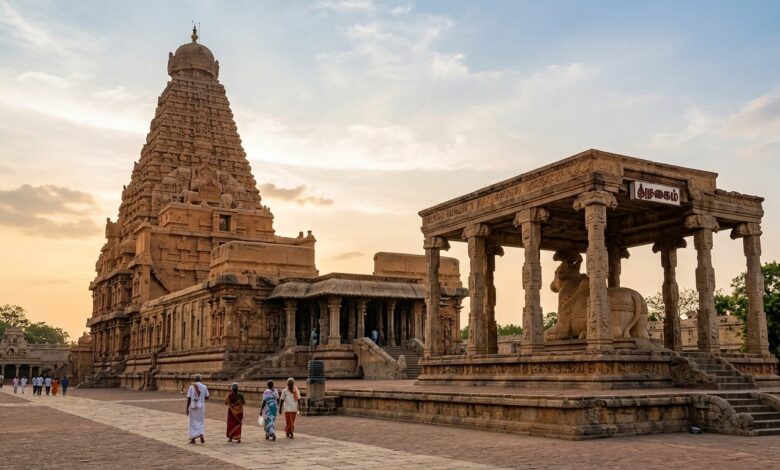
The Champa kingdom’s cultural achievements include the construction of numerous temples, pagodas, and shrines, which showcased the kingdom’s architectural skills. The most notable example of Champa architecture is the My Son Sanctuary, a UNESCO World Heritage Site, which features a collection of Hindu and Buddhist temples that date back to the 4th century AD.
Decline and Fall of the Champa Kingdom
The Champa kingdom’s decline began in the 10th century AD, when the kingdom was subjected to a series of attacks and invasions by the neighboring kingdoms of Dai Viet and the Khmer Empire. The Champa kingdom’s military power was weakened by the constant battles, and its economy was severely impacted by the destruction of its trade routes.
The final blow to the Champa kingdom came in the 15th century AD, when the kingdom was conquered by the Dai Viet, which eventually became the modern-day kingdom of Vietnam. The Champa kingdom’s legacy was largely forgotten, and its people were assimilated into the new kingdom.
Legacy of the Champa Kingdom
The legacy of the Champa kingdom is still felt in the region today. The kingdom’s cultural achievements, such as its architecture and literature, continue to inspire and influence the local population. The Champa kingdom’s legacy is also seen in the numerous archaeological sites and artifacts that remain from the kingdom’s golden age.
Historians and archaeologists continue to study the Champa kingdom’s history, and its legacy continues to be an important part of the region’s cultural heritage. The Champa kingdom’s story serves as a reminder of the complex and multifaceted nature of human history, and the importance of preserving the cultural achievements of ancient civilizations.
Practical Information and FAQs
What was the Champa kingdom’s economy based on?
The Champa kingdom’s economy was based on trade, with merchants trading extensively in goods such as spices, textiles, and precious stones. The kingdom’s strategic location allowed it to control the trade routes between India, China, and Southeast Asia.
What was the significance of the My Son Sanctuary?
The My Son Sanctuary was a collection of Hindu and Buddhist temples that date back to the 4th century AD. The sanctuary was an important cultural and spiritual center for the Champa kingdom, and its architecture is a testament to the kingdom’s skills in metalworking, woodcarving, and weaving.
What was the impact of the Dai Viet on the Champa kingdom?
The Dai Viet’s invasions and conquests had a significant impact on the Champa kingdom, weakening its military power and economy. The destruction of the Champa kingdom’s trade routes and its eventual assimilation into the new kingdom marked the end of the Champa kingdom’s golden age.
Where can I visit the remains of the Champa kingdom?
The remains of the Champa kingdom can be visited in the Central Highlands of Vietnam, specifically in the area known as the Cham region. The My Son Sanctuary and the Po Nagar Temple are two of the most notable archaeological sites that remain from the Champa kingdom’s golden age.
What is the significance of the Champa kingdom’s cultural achievements?
The Champa kingdom’s cultural achievements, such as its architecture and literature, continue to inspire and influence the local population today. The kingdom’s legacy is also seen in the numerous archaeological sites and artifacts that remain from the kingdom’s golden age.
Conclusion
The story of the Champa kingdom serves as a reminder of the complex and multifaceted nature of human history. The kingdom’s legacy continues to be an important part of the region’s cultural heritage, and its cultural achievements continue to inspire and influence the local population today. The Champa kingdom’s story is a testament to the enduring power of human culture and the importance of preserving the achievements of ancient civilizations.