Uncharted Voyages: The Untold Tales of the World’s First Maritime Pioneers

Table of Contents
The Story of the First Sailors
Early Maritime Exploration and the Dawn of Sailors
The history of sailing is a rich and complex one, spanning thousands of years and numerous civilizations. From ancient Mesopotamia to modern-day navies, the art of sailing has been shaped by the ingenuity, courage, and perseverance of countless sailors. But who were the first sailors, and how did they set the stage for the maritime explorations that would change the course of human history?
One of the earliest recorded instances of sailing dates back to around 3000 BCE, during the Sumerian civilization in Mesopotamia (modern-day Iraq). Archaeological evidence suggests that the Sumerians developed and employed a variety of sailing vessels, including reed boats and wooden ships, to navigate the waters of the Persian Gulf and the Tigris River.
However, it was in ancient Egypt that sailing truly began to take shape as a distinct profession. The Egyptians developed a sophisticated system of sailing, including the use of square sails, triangular sails, and other innovations that allowed them to harness the wind and explore the Mediterranean. The earliest known sailing vessels in Egypt date back to around 2500 BCE, during the Old Kingdom period.
The Phoenicians: Masters of the Sea
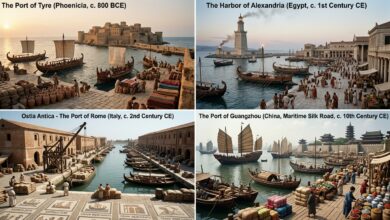
One of the most significant maritime civilizations in ancient times was the Phoenicians, a seafaring people who lived in the eastern Mediterranean, primarily in modern-day Lebanon and Syria. The Phoenicians were renowned for their exceptional sailing skills, which allowed them to establish a vast trading network across the Mediterranean, stretching from the coast of Africa to the shores of Asia Minor.
The Phoenicians were master shipbuilders, and their vessels were some of the most advanced of their time. They developed the use of the sternpost rudder, which allowed them to steer their ships with greater precision and control. Their ships also featured a distinctive “steering oar” system, which enabled them to navigate the complex waters of the Mediterranean.
The Phoenicians were not just skilled sailors, but also accomplished traders and explorers. They established colonies and trading posts throughout the Mediterranean, and their maritime prowess allowed them to establish a vast network of trade routes and alliances. The Phoenicians were true pioneers of the sea, and their legacy would shape the course of maritime history for centuries to come.
The Ancient Greeks and the Dawn of Sailors
The ancient Greeks were another major maritime power in the ancient world. Their city-states, such as Athens and Corinth, were major centers of trade and commerce, and their sailors played a crucial role in the development of the Mediterranean trade network.
The Greeks were known for their exceptional sailing skills, which allowed them to establish a strong presence in the Aegean and Mediterranean. Their ships were fast and maneuverable, and their sailors were renowned for their bravery and seamanship. The Greeks were also accomplished shipbuilders, and their vessels were some of the most advanced of their time.
The ancient Greeks were not just skilled sailors, but also accomplished explorers and traders. They established colonies and trading posts throughout the Mediterranean, and their maritime prowess allowed them to establish a vast network of trade routes and alliances. The Greeks were true pioneers of the sea, and their legacy would shape the course of maritime history for centuries to come.
Conclusion
The story of the first sailors is a rich and complex one, spanning thousands of years and numerous civilizations. From ancient Mesopotamia to modern-day navies, the art of sailing has been shaped by the ingenuity, courage, and perseverance of countless sailors. The Phoenicians, Egyptians, and Greeks were among the earliest and most significant maritime civilizations in ancient times, and their legacy would shape the course of maritime history for centuries to come.
Frequently Asked Questions
Who were the first sailors?
The first sailors are believed to have been the Sumerians, who lived in ancient Mesopotamia (modern-day Iraq). They developed and employed a variety of sailing vessels, including reed boats and wooden ships, to navigate the waters of the Persian Gulf and the Tigris River.
What were the earliest known sailing vessels in Egypt?
The earliest known sailing vessels in Egypt date back to around 2500 BCE, during the Old Kingdom period. These vessels were likely simple reed boats or wooden ships, but they marked the beginning of a long and storied history of sailing in ancient Egypt.
What were some of the innovations of the Phoenicians in sailing?
The Phoenicians were renowned for their exceptional sailing skills, which allowed them to establish a vast trading network across the Mediterranean. They developed the use of the sternpost rudder, which allowed them to steer their ships with greater precision and control. Their ships also featured a distinctive “steering oar” system, which enabled them to navigate the complex waters of the Mediterranean.
What was the significance of the ancient Greeks in the history of sailing?
The ancient Greeks were another major maritime power in the ancient world. Their city-states, such as Athens and Corinth, were major centers of trade and commerce, and their sailors played a crucial role in the development of the Mediterranean trade network. The Greeks were known for their exceptional sailing skills, which allowed them to establish a strong presence in the Aegean and Mediterranean.