Unveiling the 9 Wonders of Islam’s Forgotten Golden Age
The Golden Age of Islamic Civilization
A Time of Unparalleled Prosperity and Innovation
The Islamic Golden Age, which spanned from the 8th to the 13th century, was a period of remarkable growth and transformation in the Islamic world. During this time, Islamic civilization flourished, and its influence extended far beyond the borders of the Middle East, touching the lives of people in various parts of the world. This era was marked by significant achievements in various fields, including science, philosophy, mathematics, medicine, architecture, literature, and the arts.
The Rise of Islamic Empires
The Islamic Golden Age was characterized by the rise of powerful empires, including the Abbasid Caliphate, the Fatimid Caliphate, and the Umayyad Caliphate. These empires played a crucial role in the spread of Islamic knowledge and culture, and their legacy continues to shape the modern world. The Abbasid Caliphate, in particular, was instrumental in the translation of ancient Greek and Roman texts into Arabic, which facilitated the transfer of knowledge from the ancient world to the Islamic world.
Scientific and Intellectual Achievements
- The Islamic Golden Age saw significant advances in mathematics, particularly in the development of algebra and geometry. Scholars such as Al-Khwarizmi and Ibn Sina (Avicenna) made groundbreaking contributions to the field, laying the foundations for modern mathematics.
- Medical knowledge also flourished during this period, with scholars such as Ibn Sina and Ibn Rushd (Averroes) making significant contributions to the field. Their works on medicine, including the Canon of Medicine, became influential texts in the medical community.
- The study of astronomy and physics also experienced significant growth, with scholars such as Al-Biruni and Ibn Yunus making important contributions to the field. Their works on astronomy and mathematics had a lasting impact on the development of modern science.
Cultural and Intellectual Achievements
The Islamic Golden Age was also marked by significant achievements in literature, poetry, and the arts. Scholars such as Al-Mutanabbi and Al-Hamadani made significant contributions to Arabic literature, while the works of poets such as Al-Khansa and Al-Farazdaq continue to be celebrated for their beauty and eloquence. The art of calligraphy also flourished during this period, with the development of new scripts and the creation of intricate and beautiful manuscripts.
Trade and Commerce
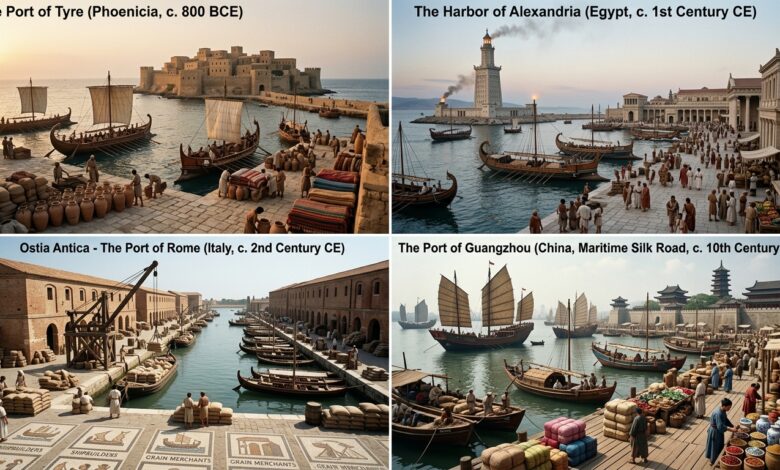
The Islamic Golden Age saw significant growth in trade and commerce, with the establishment of the Silk Road and the development of a thriving mercantile class. The trade of goods such as spices, textiles, and precious metals facilitated the exchange of ideas and cultures between the Islamic world and other parts of the world. The growth of cities such as Baghdad, Cairo, and Cordoba also contributed to the development of a vibrant commercial culture.
Legacy of the Islamic Golden Age
The legacy of the Islamic Golden Age continues to shape the modern world. The contributions of Islamic scholars to science, philosophy, and the arts had a lasting impact on the development of modern civilization. The spread of Islamic knowledge and culture also facilitated the exchange of ideas between the Islamic world and other parts of the world, contributing to the growth of a globalized and interconnected world.
Conclusion
The Islamic Golden Age was a time of unparalleled prosperity and innovation in the Islamic world. The significant achievements of Islamic scholars in various fields, including science, philosophy, mathematics, medicine, architecture, literature, and the arts, continue to shape the modern world. The legacy of this era serves as a testament to the power of human ingenuity and the importance of preserving and celebrating the cultural and intellectual heritage of our past.
Frequently Asked Questions
Q: What was the significance of the Islamic Golden Age?
The Islamic Golden Age was a period of remarkable growth and transformation in the Islamic world, marked by significant achievements in science, philosophy, mathematics, medicine, architecture, literature, and the arts. It was a time of unparalleled prosperity and innovation that had a lasting impact on the development of modern civilization.
Q: Who were some of the key figures of the Islamic Golden Age?
Some of the key figures of the Islamic Golden Age include scholars such as Al-Khwarizmi, Ibn Sina (Avicenna), and Ibn Rushd (Averroes), who made significant contributions to mathematics, medicine, and philosophy. Poets such as Al-Khansa and Al-Farazdaq also made significant contributions to Arabic literature.
Q: What was the impact of the Islamic Golden Age on modern science?
The Islamic Golden Age had a lasting impact on modern science, particularly in the fields of mathematics and medicine. Scholars such as Al-Khwarizmi and Ibn Sina made significant contributions to the development of algebra and geometry, while their works on medicine became influential texts in the medical community.
Q: How did the Islamic Golden Age contribute to the development of modern civilization?
The Islamic Golden Age contributed significantly to the development of modern civilization by facilitating the transfer of knowledge from the ancient world to the Islamic world. The works of scholars such as Al-Khwarizmi and Ibn Sina had a lasting impact on the development of modern science, while the spread of Islamic knowledge and culture facilitated the exchange of ideas between the Islamic world and other parts of the world.