Unraveling the Mysterious Disappearances of 5 Ancient Civilizations
Ancient Civilizations That Vanished Without a Trace
The Mysterious Disappearance of the Indus Valley Civilization
The Indus Valley Civilization, which flourished around 4300-1300 BCE in the Indus Valley region of modern-day Pakistan and northwestern India, is one of the most fascinating and enigmatic ancient civilizations that vanished without a trace. This sophisticated urban civilization is known for its well-planned cities, advanced water management systems, and a unique writing system that remains undeciphered to this day.
Excavations at Mohenjo-Daro and Harappa, two of the most significant cities of the civilization, have revealed a sophisticated urban planning, with well-built houses, public baths, and granaries. The cities were also equipped with advanced water management systems, including the first known use of toilets and a sophisticated drainage system.
Despite its impressive achievements, the Indus Valley Civilization declined and eventually vanished around 1900 BCE. The reasons behind its disappearance are still a topic of debate among historians and archaeologists. Some theories suggest that the civilization may have been affected by droughts, floods, or environmental degradation, while others propose that it may have been due to the rise of new powers in the region or the impact of external invasions.
The Lost City of Petra and the Nabataeans
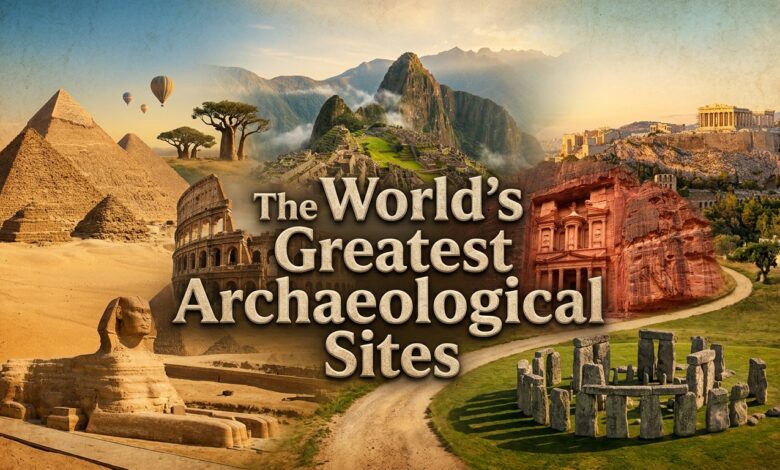
Located in modern-day Jordan, the ancient city of Petra is one of the most impressive archaeological sites in the world. This majestic city, carved into the sandstone cliffs by the Nabataeans, was an important center of trade and commerce in the ancient world. The Nabataeans, a tribe of Aramaic-speaking people, established the city in the 6th century BCE and built a sophisticated irrigation system that allowed them to thrive in the harsh desert environment.
Despite its impressive achievements, the Nabataeans vanished around 106 CE, when the Roman Empire conquered the region. The reasons behind their disappearance are still a topic of debate among historians and archaeologists. Some theories suggest that the Nabataeans may have been affected by the rise of the Roman Empire, which led to a decline in their power and influence. Others propose that it may have been due to internal conflicts, external invasions, or environmental degradation.
The Maya Civilization and the Collapse of Tikal
The Maya Civilization, which flourished in the region of modern-day Mexico, Guatemala, Belize, and Honduras from 2000 BCE to 1500 CE, is one of the most advanced and sophisticated civilizations in the Americas. The city of Tikal, which was one of the most important centers of the Maya Civilization, was a powerful and influential city that declined and eventually vanished around 900 CE.
The reasons behind the collapse of Tikal are still a topic of debate among historians and archaeologists. Some theories suggest that the city may have been affected by droughts, floods, or environmental degradation, while others propose that it may have been due to the rise of new powers in the region or the impact of external invasions.
The Atlanteans and the Mysterious Island of Atlantis
The story of the Atlanteans and the mythical island of Atlantis, which was described by the ancient Greek philosopher Plato as a powerful and advanced civilization that existed in the distant past, is one of the most fascinating and enigmatic tales in the history of human civilization. According to Plato, Atlantis was a powerful and advanced civilization that existed around 9,000 years ago and was destroyed by the gods in a catastrophic event.
Despite its mythological status, the story of the Atlanteans and the island of Atlantis has captured the imagination of people around the world for centuries. Some theories suggest that the story may have been inspired by real events, such as the destruction of a real city or civilization by a natural disaster or human conflict. Others propose that it may have been a myth created to explain the decline and fall of a powerful and advanced civilization.
Theories and Speculations
Despite the lack of concrete evidence, there are many theories and speculations about the disappearance of ancient civilizations. Some of the most popular theories include:
- The “climate change” theory, which suggests that changes in the climate may have led to the decline and fall of ancient civilizations.
- The “drought” theory, which suggests that droughts and other environmental factors may have led to the decline and fall of ancient civilizations.
- The “war and conflict” theory, which suggests that wars and conflicts may have led to the decline and fall of ancient civilizations.
- The “collapse of complex societies” theory, which suggests that the collapse of complex societies may have led to the decline and fall of ancient civilizations.
Conclusion
The disappearance of ancient civilizations is a fascinating and enigmatic topic that has captured the imagination of people around the world for centuries. Despite the lack of concrete evidence, there are many theories and speculations about the reasons behind the decline and fall of ancient civilizations. Some of the most popular theories include changes in climate, droughts, war and conflict, and the collapse of complex societies.
While we may never know the exact reasons behind the disappearance of ancient civilizations, it is clear that they have left a lasting legacy in the modern world. Their achievements in art, architecture, science, and technology continue to inspire and awe us today.
FAQ
Q: What is the Indus Valley Civilization?
The Indus Valley Civilization is an ancient civilization that flourished around 4300-1300 BCE in the Indus Valley region of modern-day Pakistan and northwestern India.
Q: What was the significance of the Nabataeans?
The Nabataeans were a tribe of Aramaic-speaking people who established the city of Petra in the 6th century BCE and built a sophisticated irrigation system that allowed them to thrive in the harsh desert environment.
Q: What is the collapse of Tikal?
The collapse of Tikal refers to the decline and eventual disappearance of the city of Tikal, which was one of the most important centers of the Maya Civilization.
Q: What is the story of the Atlanteans and the island of Atlantis?
The story of the Atlanteans and the island of Atlantis is a mythological tale that describes a powerful and advanced civilization that existed in the distant past and was destroyed by the gods in a catastrophic event.