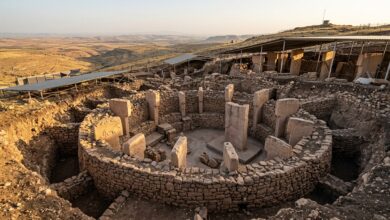
20 Breathtaking Archaeological Sites That Will Change Your View of History
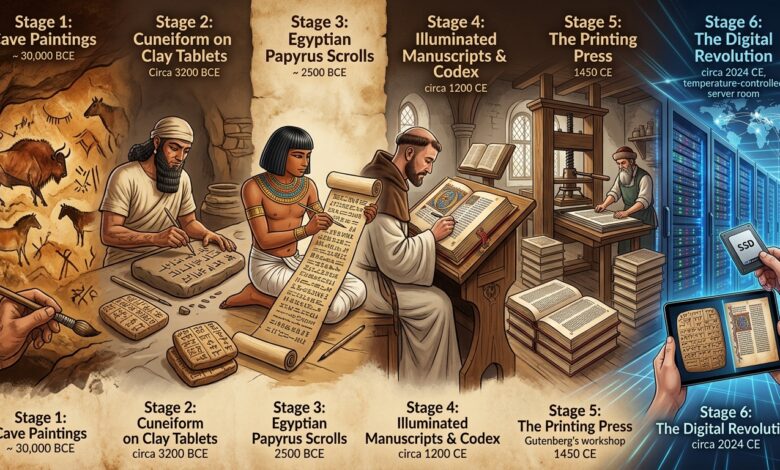
The World’s Greatest Archaeological Sites
A Journey Through Time and History
From the pyramids of ancient Egypt to the ruins of Machu Picchu, the world’s greatest archaeological sites offer a glimpse into the lives of our ancestors and the civilizations that shaped our world. These incredible sites have been uncovered through the efforts of archaeologists, historians, and explorers, and they continue to captivate us with their secrets and mysteries.
Section 1: Ancient Wonders
The Pyramids of Giza
Located on the outskirts of modern-day Cairo, the Pyramids of Giza are one of the most recognizable archaeological sites in the world. Built over 4,500 years ago, these towering structures were the tombs of the pharaohs of Ancient Egypt, and they remain an awe-inspiring testament to the ingenuity and skill of the ancient Egyptians.
The largest of the three pyramids, the Great Pyramid of Khufu, is an engineering marvel that has been the subject of fascination for centuries. Its sheer scale, precision, and beauty have made it a wonder of the ancient world.
The Great Sphinx of Giza
The Great Sphinx, a giant limestone statue with the body of a lion and the head of a human, is another iconic feature of the Giza plateau. Its mysterious origins and purpose have sparked countless debates and theories among scholars and historians.
The Sphinx is believed to have been built during the Old Kingdom period, around 2500 BC, and its exact meaning and significance remain a subject of ongoing research and interpretation.
Section 2: Lost Cities
Machu Picchu
Perched on a mountain ridge in the Andes, Machu Picchu is an Inca citadel that was built in the 15th century AD. Its stunning architecture and breathtaking natural surroundings make it one of the most impressive archaeological sites in South America.
Abandoned before the arrival of the Spanish conquistadors, Machu Picchu was forgotten for centuries, until its rediscovery in 1911 by the American historian Hiram Bingham. Today, it is a UNESCO World Heritage site and a testament to the ingenuity and skill of the Inca people.
Angkor Wat
Located in modern-day Cambodia, Angkor Wat is a vast temple complex that was built in the 12th century AD. Its intricate carvings, imposing architecture, and stunning natural surroundings make it one of the most impressive archaeological sites in Southeast Asia.
Angkor Wat was built during the reign of King Suryavarman II, and its construction is believed to have taken over 30 years to complete. Its sheer scale and beauty have made it a wonder of the ancient world.
Section 3: Ancient Metropolises
Pompeii and Herculaneum
Located near the modern-day city of Naples, Pompeii and Herculaneum are two ancient Roman cities that were frozen in time by the devastating eruption of Mount Vesuvius in 79 AD.
The cities were buried under a thick layer of volcanic ash and pumice, preserving many of their buildings, artifacts, and even the bodies of their inhabitants. Today, visitors can walk through the ruins and experience life in ancient Rome as it was lived.
The Acropolis of Athens
Perched on a hill in the heart of modern-day Athens, the Acropolis is an ancient citadel that was built in the 5th century BC. Its stunning architecture, beautiful carvings, and rich history make it one of the most impressive archaeological sites in Greece.
The Acropolis was built during the Golden Age of Pericles, and its construction is believed to have taken over 10 years to complete. Today, it is a UNESCO World Heritage site and a testament to the ingenuity and skill of the ancient Greeks.
Section 4: Sacred Sites
The Temple of Jerusalem
Located in modern-day Jerusalem, the Temple of Jerusalem is a sacred site that has been the center of worship and pilgrimage for thousands of years.
Its history dates back to the 10th century BC, when King Solomon built the First Temple. The site was later destroyed by the Babylonians, and it was rebuilt during the Second Temple period. Today, it remains a sacred site for Jews, Christians, and Muslims alike.
The Meidum Temple
Located in modern-day Egypt, the Meidum Temple is a sacred site that was built in the 2nd century BC. Its unique architecture and stunning natural surroundings make it one of the most impressive archaeological sites in Egypt.
The Meidum Temple was built during the Ptolemaic period, and its construction is believed to have taken over 10 years to complete. Today, it remains a testament to the ingenuity and skill of the ancient Egyptians.
Conclusion
The world’s greatest archaeological sites are a testament to the ingenuity, skill, and creativity of our ancestors. From the pyramids of Giza to the ruins of Machu Picchu, these incredible sites have been uncovered through the efforts of archaeologists, historians, and explorers, and they continue to captivate us with their secrets and mysteries.
As we explore these sites, we are reminded of the importance of preserving our cultural heritage and the need to continue uncovering the secrets of the past. By doing so, we can gain a deeper understanding of who we are, where we come from, and the incredible achievements of our ancestors.
FAQ
Q: What is the oldest archaeological site in the world?
A: The oldest archaeological site in the world is believed to be the site of Jebel Irhoud in Morocco, which dates back to around 300,000 years ago.
Q: How many archaeological sites are there in the world?
A: There are thousands of archaeological sites around the world, with new discoveries being made every year. However, it is difficult to give an exact number, as many sites remain undiscovered or unexcavated.
Q: What is the most visited archaeological site in the world?
A: The most visited archaeological site in the world is the Great Pyramid of Giza, with over 5 million visitors per year.
Q: Can I visit archaeological sites in person?
A: Yes, many archaeological sites are open to the public and can be visited in person. However, it is essential to respect the sites and their surroundings, and to follow any rules or regulations that may be in place to protect the site and its artifacts.